Revolutionizing Urban Spaces: Smart Construction in the 21st Century
Introduction:
In the 21st century, the ever-expanding urban landscape demands innovative solutions to address the challenges of rapid urbanization. Smart construction has emerged as a transformative force, revolutionizing the way we design, build, and inhabit urban spaces. This paradigm shift incorporates cutting-edge technologies and sustainable practices to create cities that are not only efficient and resilient but also environmentally conscious. As we navigate the complexities of urban development, smart construction stands at the forefront, offering a blueprint for the future of our cities.
Integration of Technology:
Smart construction leverages the power of technology to streamline and enhance the construction process. Building Information Modeling (BIM) is a prime example, enabling architects, engineers, and construction professionals to create detailed 3D models that facilitate better collaboration and decision-making. These models, encompassing the entire lifecycle of a structure, enhance efficiency, reduce errors, and minimize waste.
Furthermore, the Internet of Things (IoT) plays a pivotal role in smart construction. Sensors embedded in construction materials and equipment gather real-time data, allowing for improved monitoring of project progress, safety conditions, and energy consumption. This interconnected network promotes a more responsive and adaptive construction environment, leading to quicker problem resolution and optimized resource utilization.
Sustainability and Green Construction:
One of the cornerstones of smart construction is its commitment to sustainability. As concerns about climate change grow, urban planners and developers are increasingly turning to eco-friendly construction practices. Smart construction integrates green technologies such as solar panels, energy-efficient HVAC systems, and sustainable building materials to minimize environmental impact. Additionally, the use of modular construction techniques reduces waste and construction time while enhancing energy efficiency.
Urban spaces designed with sustainability in mind contribute to the overall well-being of both the environment and the inhabitants. Green roofs, vertical gardens, and permeable pavements are becoming integral components of smart urban development, promoting biodiversity, reducing the urban heat island effect, and mitigating the adverse effects of climate change.
Resilient Infrastructure:
Smart construction embraces the concept of resilient infrastructure to ensure that urban spaces can withstand and recover from various challenges, including natural disasters and the impacts of climate change. Advanced materials and construction techniques are employed to enhance the durability of buildings and critical infrastructure, making cities more robust in the face of adversity.
For example, earthquake-resistant structures, flood-resistant foundations, and intelligent drainage systems are integrated into the fabric of smart cities to safeguard against potential disasters. By combining technology and thoughtful design, smart construction creates urban spaces that are not only aesthetically pleasing but also resilient and adaptable to the unpredictable challenges of the future.
Smart Cities: Connectivity and Efficiency:
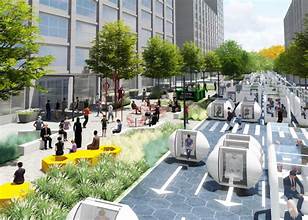
The integration of smart construction techniques is a crucial component of the larger vision of smart cities. These cities leverage technology to enhance connectivity, efficiency, and the overall quality of life for their inhabitants. Intelligent transportation systems, smart grids, and connected infrastructure contribute to a seamless urban experience.
In the realm of transportation, smart construction facilitates the creation of integrated systems, incorporating technologies like autonomous vehicles, smart traffic management, and efficient public transportation. This not only reduces congestion and improves mobility but also enhances overall urban efficiency and sustainability.
Challenges and Considerations:
While the promise of smart construction is immense, it is not without challenges. The initial investment required for implementing smart construction technologies can be substantial, posing a barrier for some cities and developers. Additionally, there are concerns about data security and privacy in the era of interconnected smart cities. Striking a balance between technological innovation and safeguarding sensitive information is crucial for the success of smart construction projects.
Conclusion:
As urban populations continue to swell, the need for innovative and sustainable solutions becomes more pressing. Smart construction, with its integration of technology, commitment to sustainability, and focus on resilient infrastructure, emerges as a beacon for the future of urban development. By harnessing the power of innovation, cities can transform into efficient, green, and connected spaces that enhance the well-being of their residents and stand resilient in the face of a rapidly changing world. The 21st century holds the promise of urban spaces that are not just constructed but intelligently crafted to meet the evolving needs of society.